S Hotels and Resorts
Waste Management

Waste does not always have to become waste. With the right management systems in place, materials leaving our hotels can be composted, recycled, upcycled, or transformed into new resources. This helps reduce the amount of waste sent to landfills and lowers the risk of waste entering the oceans, while keeping valuable resources in circulation.
Across our portfolio, we manage waste in line the 4R principles — Reduce, Reuse, Recycle, Rethink — and we hold ourselves accountable with clear targets and transparent reporting.
Targets and Performances
| Targets | What we achieved |
| • Reduce food waste intensity by 10% by 2035 compared with the base year 2025 • Effectively manage waste-related risks to prevent incidents that could adversely affect the Company's operations or financial performance. • No formal complaints were received regarding resource use, air pollution, or odour from waste management areas | • Reduced food waste per guest by 7.21% compared with 2024. • Zero waste is sent to the ocean • Increased the proportion of recycled waste by 3%. |
Business Opportunities and Risks
Good waste management does more than protect the environment — it protects what makes our destinations worth visiting. Clean beaches, healthy reefs, and thriving local ecosystems are the foundation of our business. Managing waste well keeps them that way.
There's real opportunity here too: building circular systems, collaborating with global partners and networks, and turning materials that would otherwise be discarded into something genuinely useful.
The risks of getting it wrong are equally real. Poor waste management degrades the natural beauty of our locations, harms soil, water, and air quality, raises costs through food loss and inefficient resource use, and can expose us to legal and reputational risk.
Our Management Approach
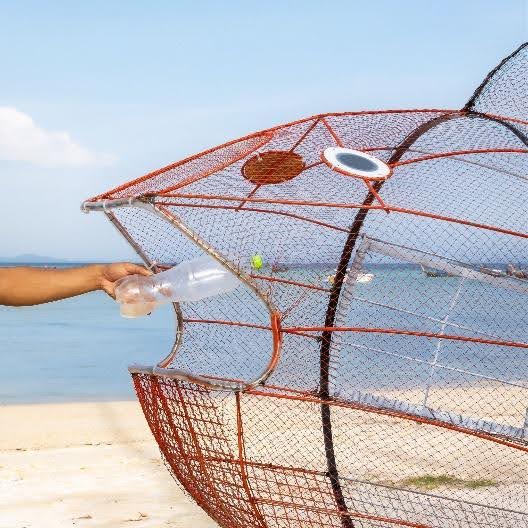
SHR prioritizes efficient waste management by focusing on waste reduction and reuse to minimize environmental impact following the 4R principles (Reduce, Reuse, Recycle, Rethink). This includes reducing single-use plastics, encouraging reuse, selecting recyclable materials, and implementing systematic waste segregation. To support these efforts, the Company has invested approximately USD 300,000 in waste management infrastructure and technologies to enhance waste segregation, recycling, and resource recovery across its operations. Additionally, SHR emphasizes reducing unnecessary packaging and enabling external waste buyers to collect waste for recycling.
Waste Journey
The Company has designed a waste journey to avoid landfill disposal by recycling or upcycling unavoidable waste. Examples include converting food scraps into organic fertilizer, sending waste for energy recovery through incineration, and collaborating with partners like PARLEY for plastic recycling at the CROSSROADS Maldives project.
Zero Single-Use Plastics
The Company has eliminated single-use plastics such as plastic water bottles and plastic wraps for in-room amenities, supporting the use of environmentally friendly materials across all self-managed hotels.
Food Waste Management with Effective Microorganisms (EM)
The Company’s hotels sustainably manage food waste by processing inedible food scraps and fruit peels into Effective Microorganisms (EM) bio-fermentation liquid for use within the hotels and surrounding communities.
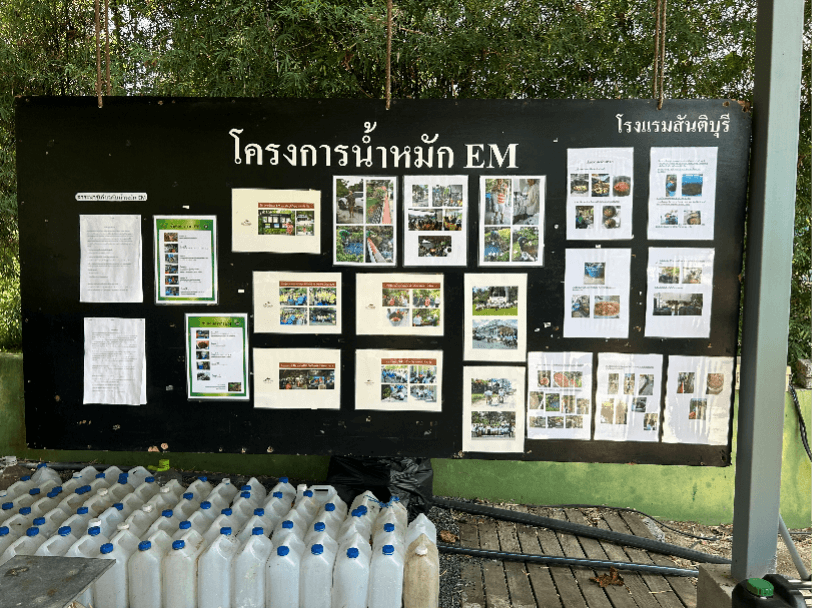
The produced EM liquid is used in activities such as cleaning, wastewater treatment, and soil nourishment in hotel green areas. Hotels also distribute EM liquid to local communities and share knowledge about its production and applications to promote efficient and eco-friendly resource management.
Upcycle – Adding Value to Waste Materials
Across the portfolio, our hotels embrace upcycling initiatives that give new life to discarded materials, helping to reduce waste, extend the lifespan of resources, and support local communities. These initiatives reflect our commitment to sustainable resource management and the principles of the circular economy.
At SAii Phi Phi Island Village, old curtains from room renovations are transformed into guest laundry bags, while Santiburi Koh Samui repurposes retired fabric into multi-purpose bags for guests. At CROSSROADS Maldives, retired umbrellas are creatively upcycled into reusable bags, giving materials a practical second life.
Meanwhile, SAii Laguna Phuket collaborates with Seed of Change Foundation to transform expired textiles into reusable beach bags. In 2024, the initiative produced approximately 800 bags using 120 pieces of retired textile materials, helping divert waste from disposal while creating meaningful economic opportunities for local artisans. The collaboration employed 5 artisans, supported additional income generation through commissions, and contributed to the expansion of the foundation’s capabilities. The project also reduced carbon emissions by 3.56 tCO2eq and strengthened awareness of circular economy practices among guests and the local community.
Beyond reducing waste, these initiatives create memorable products that guests value as meaningful keepsakes from their stay, demonstrating how sustainability can generate positive environmental, social, and economic impact together.

S Hotels & Resorts Public Company Limited
123 Suntowers Building B, 10th Floor, Vibhavadi-Rangsit Rd., Chom Phon, Chatuchak, Bangkok 10900 Thailand
T: +66 (0) 2058 9888 | E: contactus@shotelsresorts.com